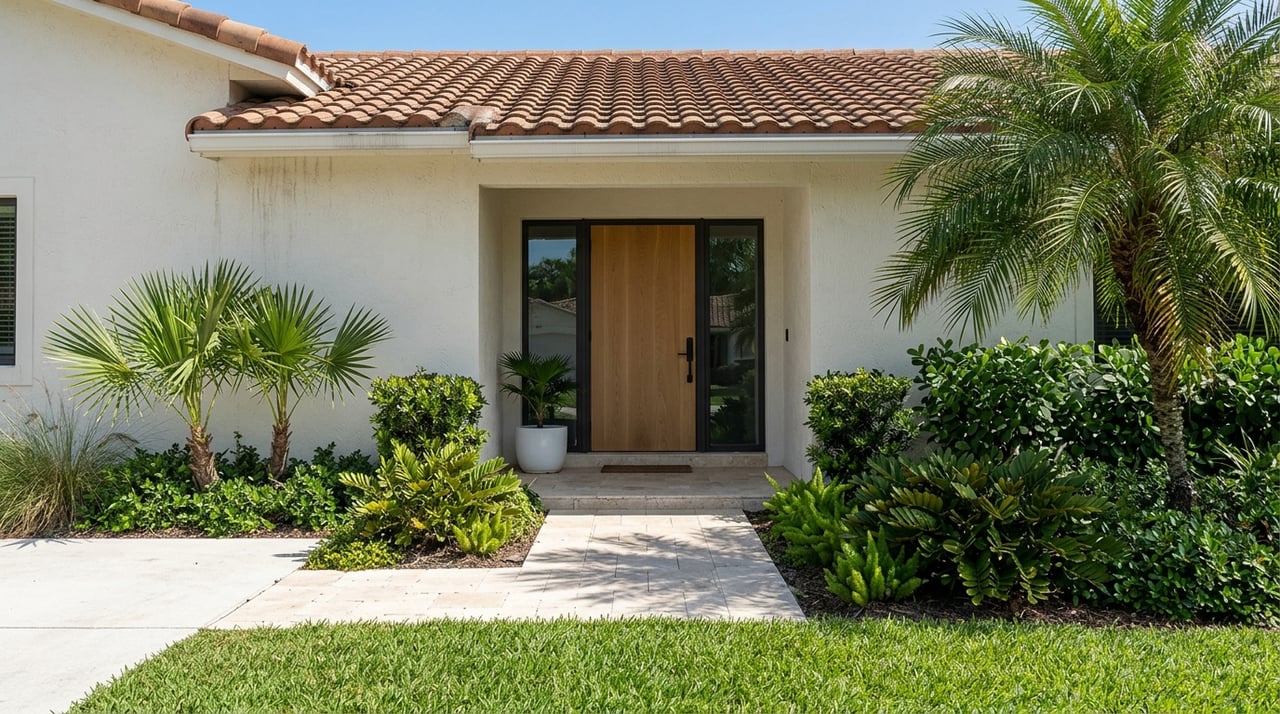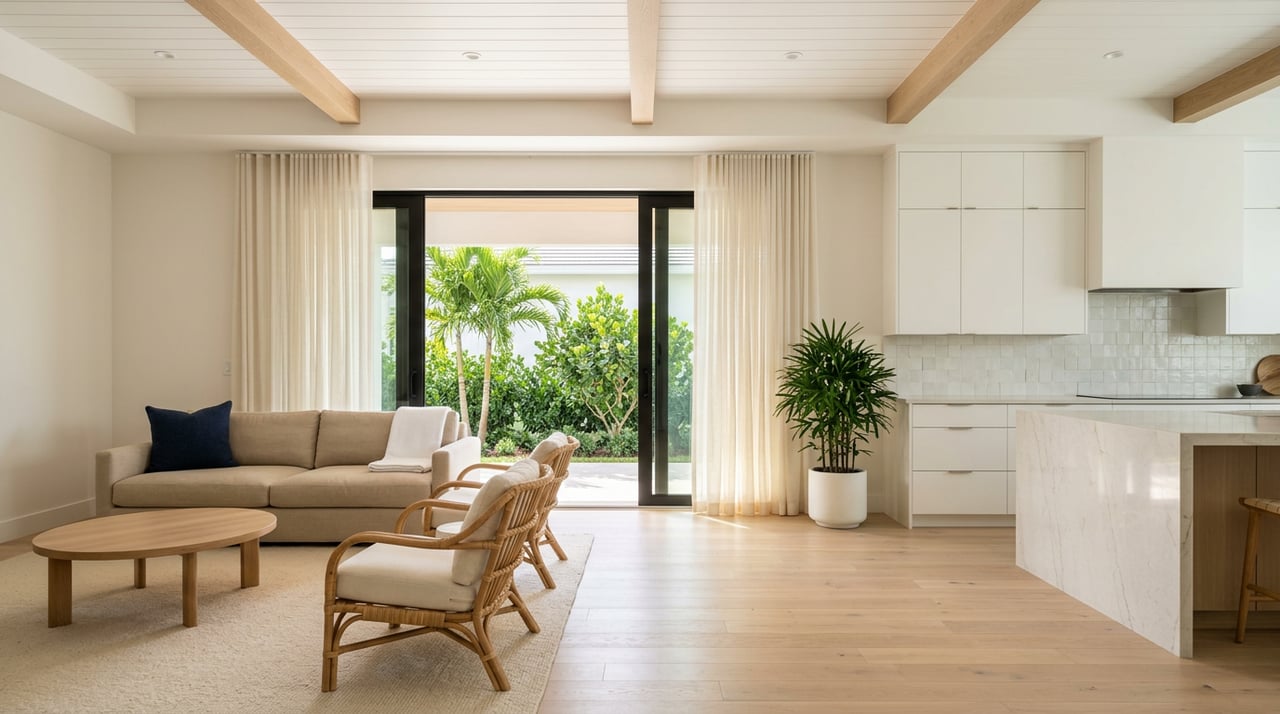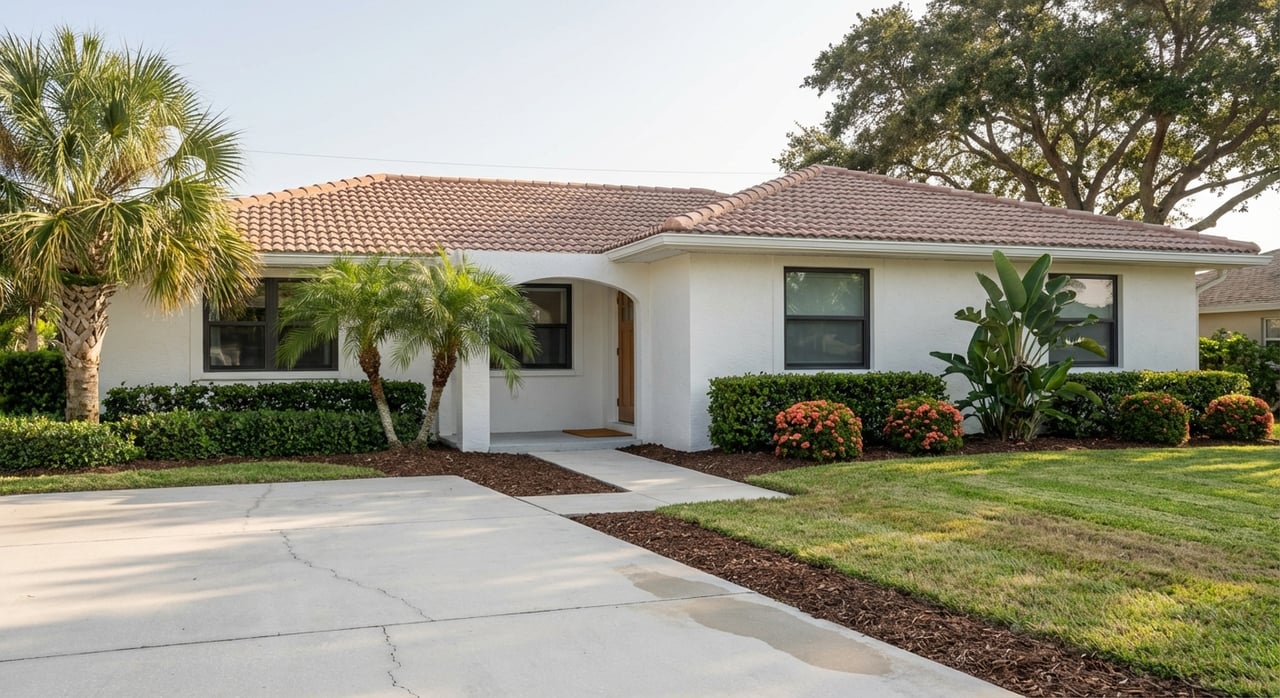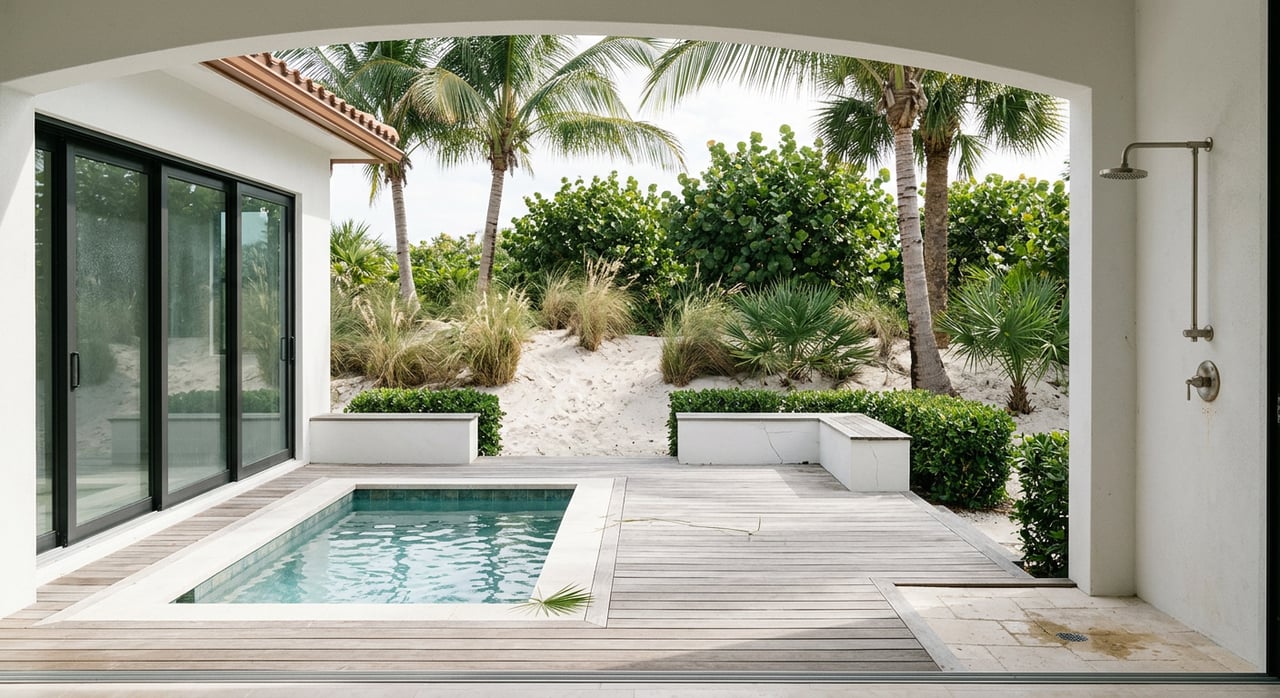
Picture this: you start your day with an Atlantic sunrise and end it with a sunset over the Indian River Lagoon. If you’re weighing a move to Melbourne Beach, you likely want the real story on daily life, from beaches and dining to commutes, insurance, and coastal risk. This guide gives you a clear, local view so you can decide if island living fits your routine and budget. Let’s dive in.
Where Melbourne Beach sits
Melbourne Beach is a compact barrier‑island town on Florida’s Space Coast, set between the Atlantic Ocean and the Indian River Lagoon. The town counted 3,231 residents at the 2020 Census and operates its own local services and parks. You’ll find quiet residential streets, beach crossovers, and small businesses clustered along Ocean Avenue. For context on size and location, see the town’s summary and map on Wikipedia.
Reaching the mainland is straightforward. Many daily trips into Melbourne for work, dining, or errands fall in the 10 to 30 minute range depending on destination and traffic, using nearby causeways. For a quick feel of distances, check this Melbourne to Melbourne Beach driving overview.
Daily rhythm and small‑town vibe
Life here moves at a coastal pace. You’ll see neighbors walking to the beach, cyclists along A1A, and families gathering in pocket parks. Town programming and community boards emphasize protecting the area’s quaint character and outdoor access.
Beaches, parks, and wildlife
Public spaces anchor daily life. Local favorites include Ryckman Park with its riverfront pier, Bicentennial Park, the 6th Avenue boat ramp, and several county beach access points. Browse the town’s Parks page to see what’s nearby and how to access it.
You’re also at the northern edge of the Archie Carr National Wildlife Refuge, one of the most significant sea‑turtle nesting areas in the United States. During nesting season, lighting rules help protect hatchlings. Get the big‑picture context in the U.S. Fish & Wildlife Service’s Archie Carr Refuge planning document and review the Florida Fish & Wildlife Commission’s sea‑turtle lighting ordinances. If your home is visible from the beach, you may be expected to use turtle‑friendly fixtures, curtains, or low‑intensity lighting at night.
Outdoor recreation and nature
If you love the water, you’ll fit right in. Residents often surf at local access points, beachwalk at sunrise, and fish along the ocean and lagoon. Paddlers explore mangrove edges by kayak or paddleboard on the Indian River Lagoon. Golf and tennis options are close by in the Melbourne area, and you’re part of the Space Coast, where rocket launches are a regular draw. For a sense of regional launch‑watching, explore this Space Coast travel guide.
Community stewardship
The town partners on living‑shoreline, oyster reef, and stormwater projects that support lagoon health and protect waterfront edges. You can learn more about current efforts and how they shape the local environment on the town’s Stormwater & environmental programs page.
Dining, coffee, and everyday essentials
Melbourne Beach has a small cluster of restaurants and cafés that locals frequent. Expect a mix of casually upscale and relaxed beach fare. For a feel of the scene, browse a local favorite like Djon’s Steak & Lobster House. For broader shopping, big‑box stores, and larger dining lists, most residents make short drives into Melbourne on the mainland.
Housing and cost context
Homes on the barrier island typically carry a premium compared with many inland Brevard communities. Prices vary widely by proximity to the ocean or river, property condition, and lot size. Beachfront and riverfront homes can command higher pricing, while interior streets may offer a broader range. Because market conditions shift, it’s smart to review current MLS data and walk through options block by block with a local expert before you set a budget.
If you plan to buy a vacant lot or build, factor in site elevation, flood zone, and any coastal construction requirements. Utility connections, potential HOA rules, and turtle‑lighting visibility are also practical checks for waterfront or beach‑adjacent properties.
Storms, flooding, and insurance
Coastal risk and what to check
Melbourne Beach sits on a low‑lying barrier island, so coastal hazards are part of ownership. Storm surge, king‑tide or “nuisance” flooding, and long‑term sea‑level rise all affect maintenance, access during storms, and potential resale risk. For planning‑level visuals, the NOAA Sea Level Rise Viewer is a useful public tool. Explore possible scenarios with the NOAA Sea Level Rise Viewer, then pair that with FEMA flood maps and property‑specific elevation data before you make an offer.
Insurance basics
Florida’s property insurance market has seen higher‑than‑average premiums and ongoing changes in recent years. Barrier‑island homes often face higher wind and flood exposure, which can influence both homeowners and flood insurance costs. Before estimating your monthly payment, request current quotes that include wind deductibles and compare NFIP and private flood options. For context on Florida’s market conditions, see insurer filings that reference state regulatory data, such as this SEC filing overview.
Hurricane preparedness
During hurricane season, residents plan ahead. Common steps include installing storm shutters, maintaining roof straps and flood vents where applicable, and storing evacuation supplies. Barrier‑island evacuations rely on causeways, which can close under certain conditions, so it’s wise to review Brevard County evacuation zones and the town’s storm guidance each year.
Schools, services, and local governance
Melbourne Beach addresses are served by Brevard Public Schools. School assignments vary by exact address, so verify current zoning maps directly with the district before you make decisions based on a school name. Town services include local parks, police, and fire; budgets and millage are set at the town level to maintain services and quality‑of‑life priorities. For specific tax rates, confirm with the Brevard County Property Appraiser.
Is Melbourne Beach a fit for you?
You’re a good match if you value daily beach access, a quieter pace, and mixing on‑island routines with quick mainland trips. Many residents choose the island for its walkable feel, water access, and small‑town atmosphere.
If you need large‑city nightlife every week, frequent big‑box shopping without driving, or a guaranteed short commute to large employers, you may prefer a mainland neighborhood. Commutes off the island are manageable for many jobs, but your daily experience depends on your destination and schedule. Get a feel for drive times with this Melbourne to Melbourne Beach distance snapshot.
Quick buyer checklist
Before you make a shortlist, verify these items for any specific property:
- Flood zone and finished‑floor elevation. Use the NOAA Sea Level Rise Viewer and local elevation data.
- Current insurance quotes. Compare homeowners and flood options, including wind deductibles. For context, review this Florida insurance market filing.
- Utilities and rules. Confirm water/sewer setup and any HOA guidelines with the town or association.
- Turtle‑friendly lighting needs. If the home is visible from the beach, check FWC lighting guidance.
- Commute and errand times during peak hours. Preview likely routes using this mainland–island drive overview.
Your next step
Melbourne Beach offers a rare blend of ocean sunrises, lagoon sunsets, and small‑town calm, with the practical tradeoffs that come with barrier‑island living. If you want an experienced, calm guide to help you compare streets, evaluate risk, and pinpoint value, connect with Millie Gwin for buyer or seller representation across the Space Coast. Work with Millie — Schedule a Consultation.
FAQs
Is beach access public and easy in Melbourne Beach?
- Yes. The town and county provide several public beach crossovers and parks with parking and walk‑in access. See the town’s Parks page for locations.
What are typical commute times from Melbourne Beach to Melbourne?
- Many daily trips into Melbourne fall in the 10 to 30 minute range depending on destination and traffic. Preview routes with this distance snapshot.
What should I know about sea‑turtle season and lighting rules?
- Melbourne Beach borders the Archie Carr Refuge, so nesting season brings lighting requirements to protect hatchlings. Review FWC lighting ordinances before making exterior changes.
How risky is flooding and sea‑level rise on the island?
- As a barrier island, Melbourne Beach faces storm surge, tidal flooding, and long‑term sea‑level risk. Use the NOAA Sea Level Rise Viewer and check FEMA flood maps for any property.
Are there restaurants on the island, or do I need to drive to the mainland?
- You’ll find a small cluster of local spots on the island, plus many more choices in nearby Melbourne. For a flavor of the scene, browse Djon’s Steak & Lobster House.
Can you watch rocket launches from Melbourne Beach?
- Yes. Launches are a regional perk on the Space Coast. Many residents watch from local spots or travel to viewing areas. See this Space Coast guide for ideas.